The clinic is hours away. The heat is not.
A mobile-first training program that equips nurses and midwives with the tools to protect mothers and newborns from invisible risks like air pollution, extreme heat, and toxic exposure.
Currently onboarding pilot partners across Africa. Apply for Pilot →
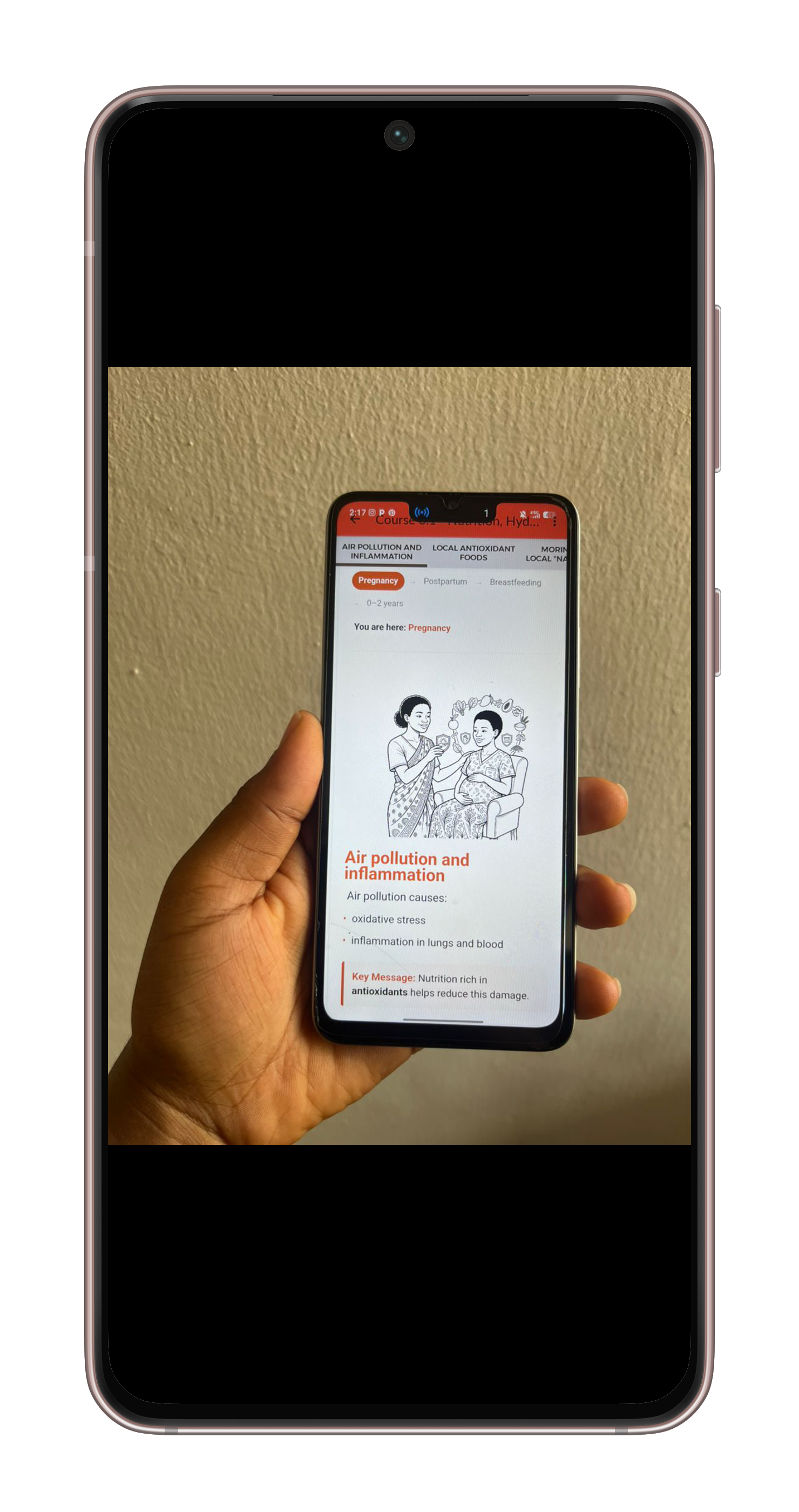
More than 90% of maternal and newborn deaths occur in low-resource settings, where heatwaves, indoor smoke, and outdoor air pollution quietly increase risk. Yet, most clinical training ignores these threats. Our program bridges the gap — equipping midwives with practical, context-based skills to anticipate, prevent, and act.
The “1000 Days of Maternity in Climate Resilience” training is structured around the critical window from conception to a child’s second birthday. Midwives learn to:
Courses follow ICM competencies and WHO-recommended maternal protocols.
Five life modules — the full 1,000-day arc from conception to a child’s second birthday.
Designed for clinicians working in resource-constrained environments, with tools built around the real rhythm of field care.
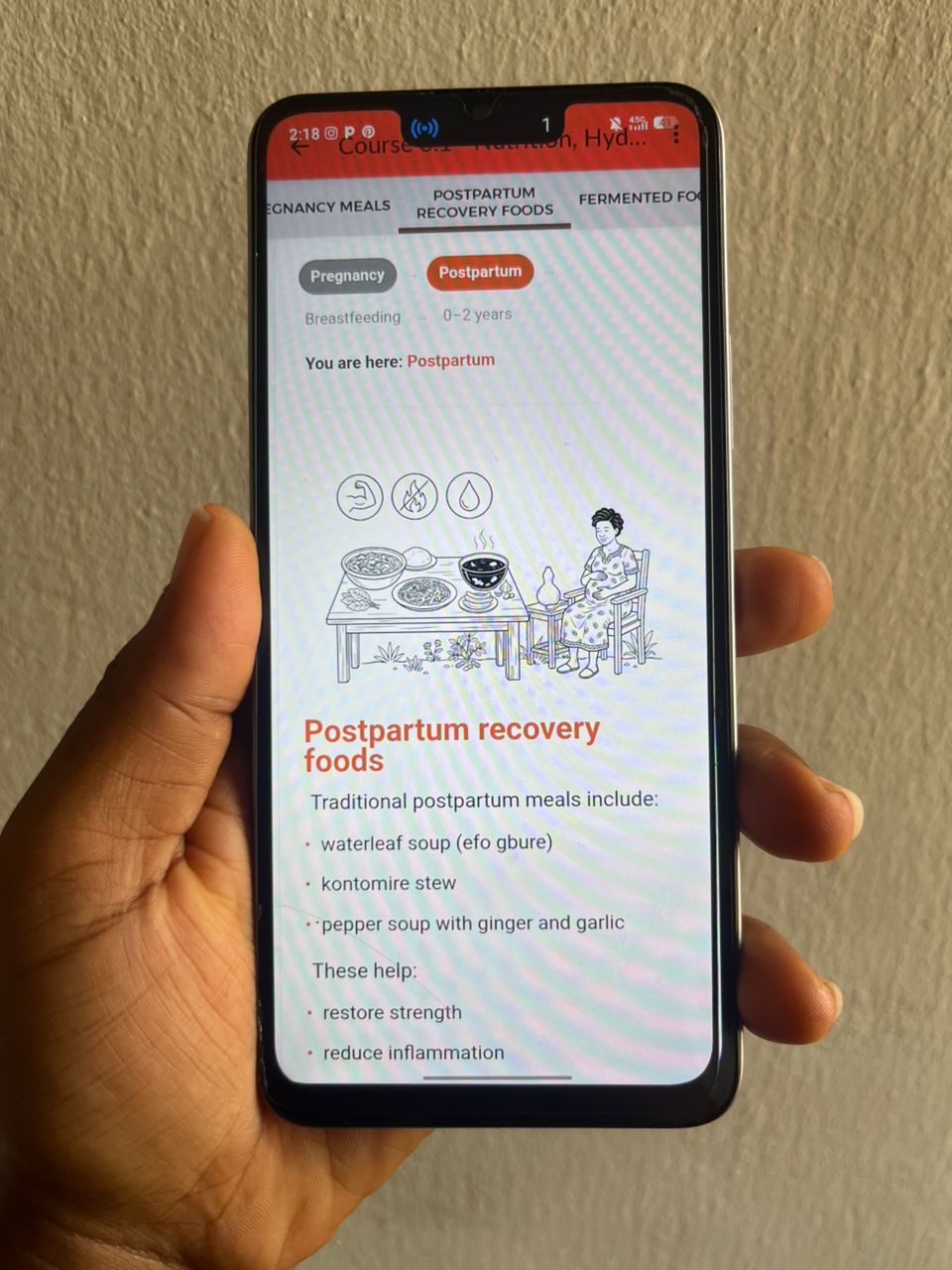
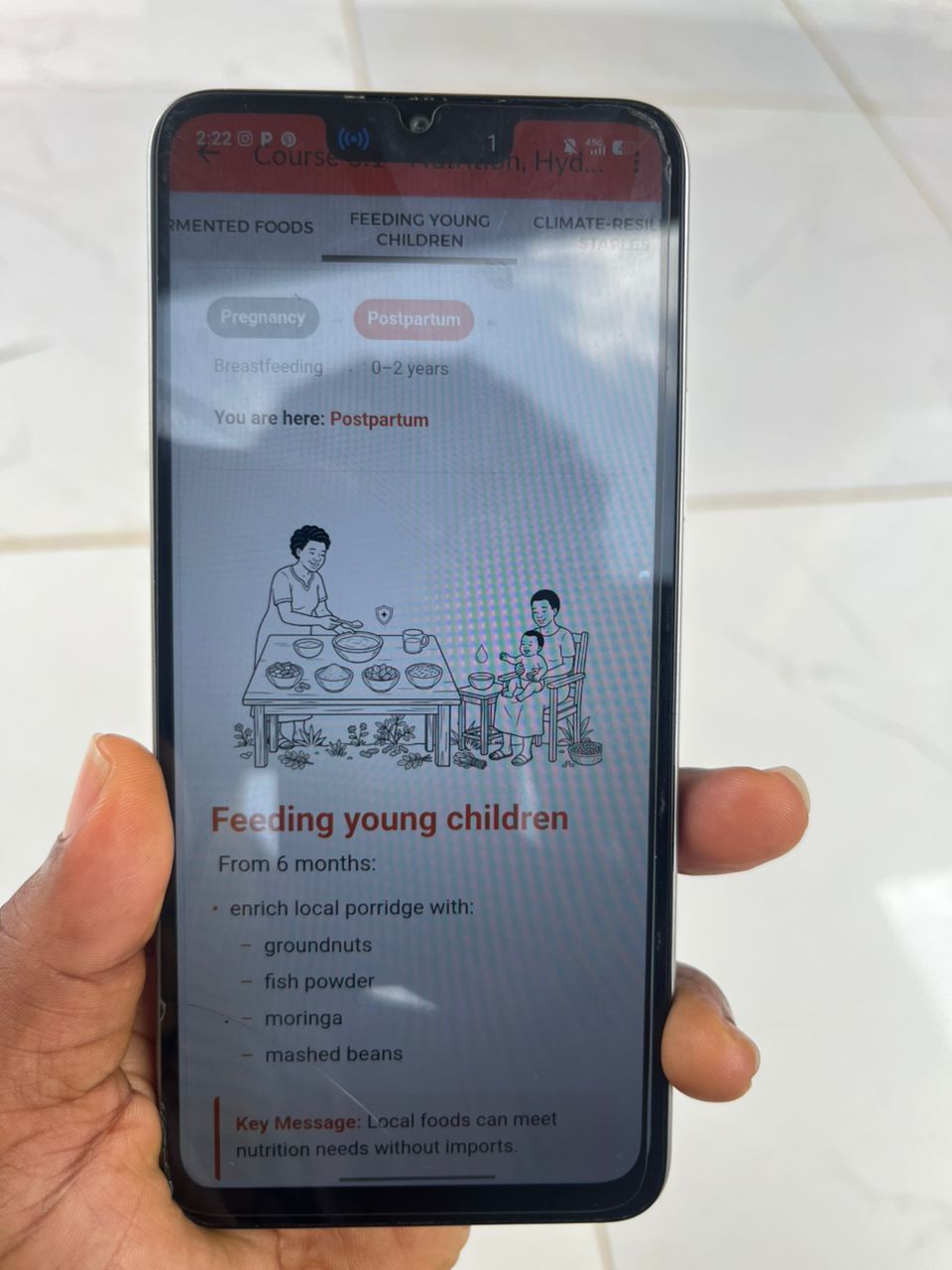
Case-based lessons with localized stories, images, and behaviours from local settings
Integrated micro-quizzes and coaching scripts for real-time clinical guidance
Providing a reference mode for presentations. Printable field tools and job aids
Works on 2G, no power or internet required — built for where it truly matters
Compatible with Moodle, Canvas, OpenWHO, Community Health Toolkit and more
Certification due to local and partner standards — verifiable CPD outcomes for national registries
Not a course. A clinical tool midwives return to between patient visits. — Midwife in Climate Program
Developed with frontline professionals, climate and public health educators across world and Global South, and tested through Mama Air’s reproductive resilience pilots. Feedback from midwives confirmed its usability, clarity, and emotional relevance in real-world care.
We are currently collaborating with institutions across Africa to implement a structured training pilot across multiple African countries. The pilot is designed to support real-world implementation while allowing institutions to adapt the programme within their local context.
Apply for PilotLicensed by professional communities, training institutions, governments, or NGOs
Adaptable to national guidelines, languages, and health systems
Compatible with Moodle, and mobile-first platforms
Peer-coaching and training-of-trainers (ToT) models available
We are currently onboarding pilot partners across Africa.
Apply for access, propose a partnership, or start a conversation with us.